Actively-stabilised test vehicle
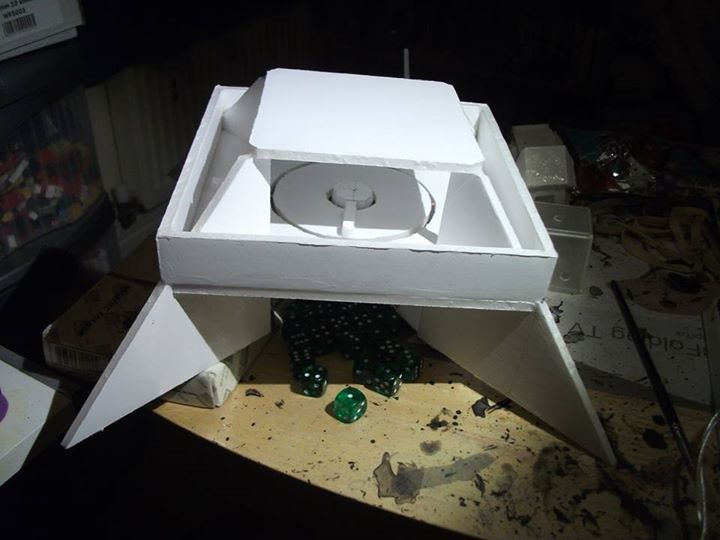
The proposed experimental rocket is a miniature testbed for active stabilisation (using thrust vector control, by gimballing the motor using a pair of hobby servos) built by students at Warwick University. The design is a “lunar lander” vehicle designed to use a single Klima D3 motor, for flights lasting between three and six seconds reaching an altitude of between two and four metres depending on the vehicle mass.

Artistic impression of Hummingbird
Power
Through tests, it was observed that (when running on 7.4v from a DC power supply) the myRIO’s current consumption is approximately 0.35A, while average current consumption when running the myRIO and setting both servos to follow a rapid sinusoidal set point was around 1.5-2A. However, this higher load would only be seen for at most 10 seconds, so it was calculated that a 500mAh lithium-polymer battery would suffice to allow one hour of launchpad loiter time before the battery would require changing or recharging. The selected batteries are rated for a peak discharge current of 30C (check igniter stuff)
The flight computer also monitors the battery voltage, allowing the vehicle to automatically shut down if the battery discharges to an unsafe level while waiting to launch.
Structures
The frame of the vehicle is made of balsa wood, with 3D-printed nylon (EOS PA2200, printed by Shapeways) used for the gimbal structure and some connectors. It also uses pultruded carbon fibre kite spars as legs.
 Warwick Aerospace